1800
Indigenous & African Americans
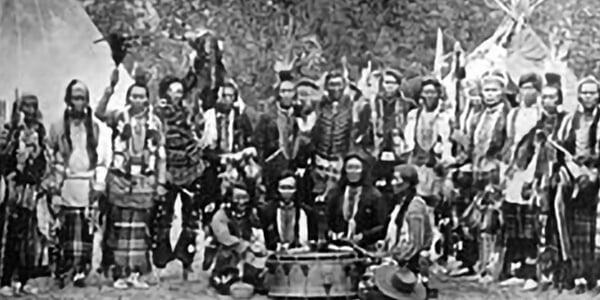
Palm Beach was home to the Jeaga, later the Seminole, and early 1800s African American communities of both freed and formerly enslaved people.


Cocoanut Row is one of Palm Beach's most historic streets, rich with stories that span from the town's earliest days to its modern-day charm.
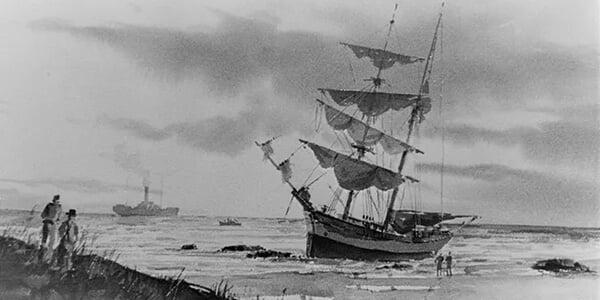
The street's name, "Cocoanut Row," reflects the old-fashioned spelling of "coconut". In 1878, the Providencia, a small Spanish brigantine en route from Havana to Spain, wrecked on the shores of Palm Beach, right near where Mar-a-Lago is today. Its cargo contained some 20,000 coconuts.
Early Palm Beach settlers rescued the coconuts and planted them all over the Island, thus creating an island of palm trees. It was this planting of coconuts and the resulting palm trees that gave Palm Beach its name. Some say it was the palms that attracted Henry Flagler to the island in 1892.
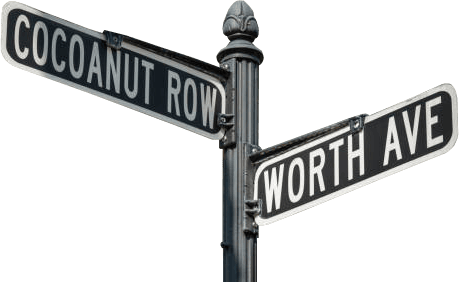
Today, Cocoanut Row remains a dynamic part of Palm Beach, blending historical significance with contemporary allure. Its presence underscores Cocoanut Row's evolution from a pioneer pathway to a modern-day hub of culture and commerce.
We are proud to serve as the stewards of

honoring its rich history while helping shape its vibrant future.
1800
Palm Beach was home to the Jeaga, later the Seminole, and early 1800s African American communities of both freed and formerly enslaved people.
1872
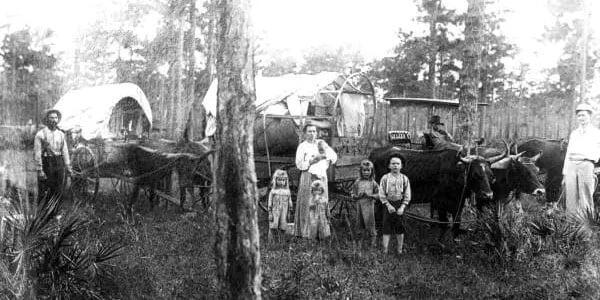
The first permanent white settlers arrive on the island.
1878
The Providencia shipwrecks off the coast of Palm Beach, carrying 20,000 coconuts. Early settlers plant them, creating the island's signature palm trees.
1880
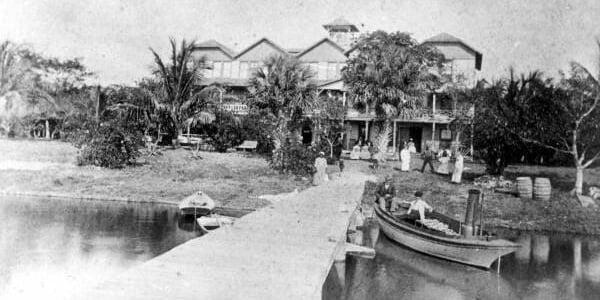
Elisha Newton "Cap" Dimick establishes the Cocoanut Grove House, Palm Beach's first hotel, located on what becomes Cocoanut Row.
1886
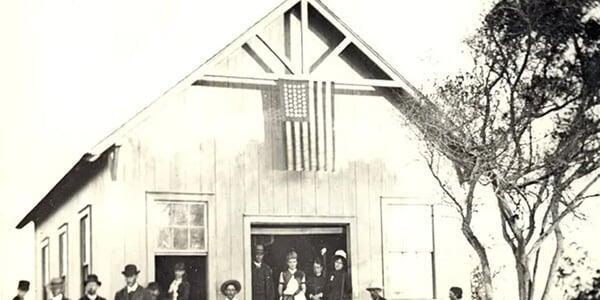
The first school in southeastern Florida is built in Palm Beach, reflecting the growth of the early settlement.
1890
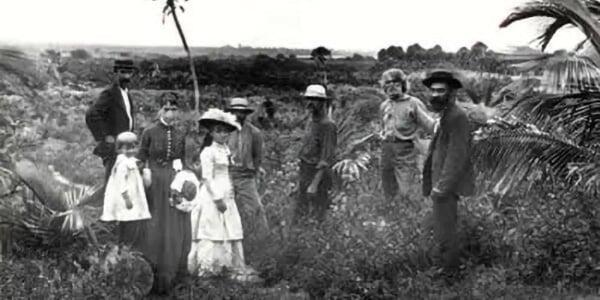
Land development increases as northern investors begin purchasing property for winter homes.
1890
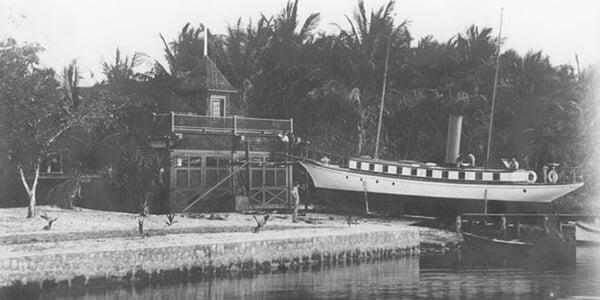
The Palm Beach Yacht Club is founded. In 1917 it relocates across the Intracoastal to 800 N Flagler Dr in West Palm Beach, where it remains today.
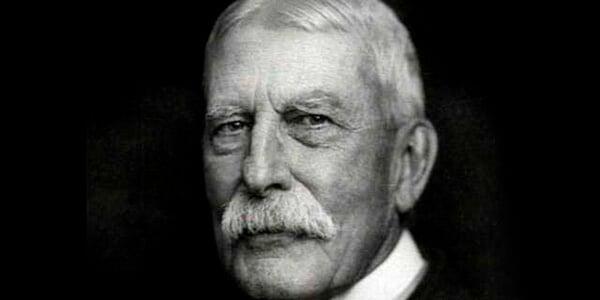
1892
Henry Flagler visits Palm Beach and begins developing it into a winter resort for the wealthy.
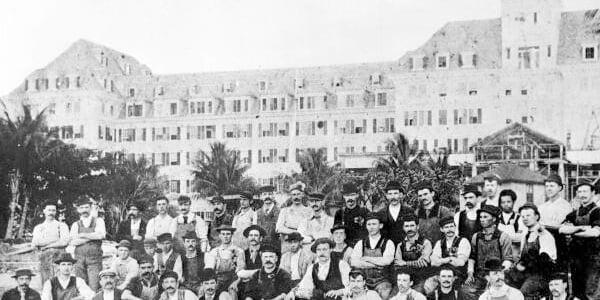
1894
Flagler completes the Royal Poinciana Hotel, the largest wooden structure in the world at the time, and his Florida East Coast Railway reaches Palm Beach.
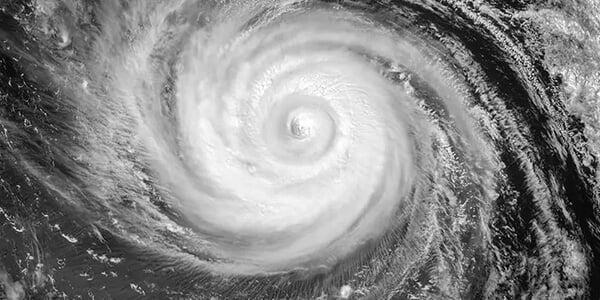
1894
The first of two back-to-back Unnamed Hurricane's hits southeast Florida, disrupting early Flagler developments.
1895
The second of two back-to-back Unnamed Hurricane's hits southeast Florida, disrupting early Flagler developments.
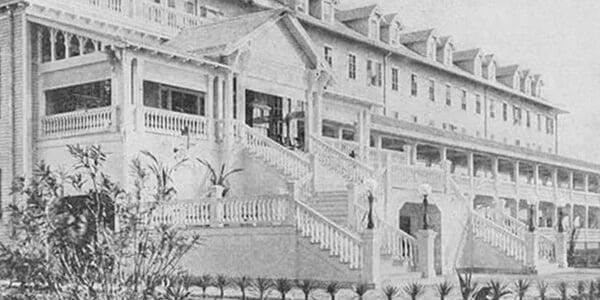
1896
Flagler opens the Palm Beach Inn, later becoming The Breakers.
1896
The Cedar Keys Hurricane (Cat 3) crosses Miami and heads northward, impacting Palm Beach with significant wind and rain.
1897
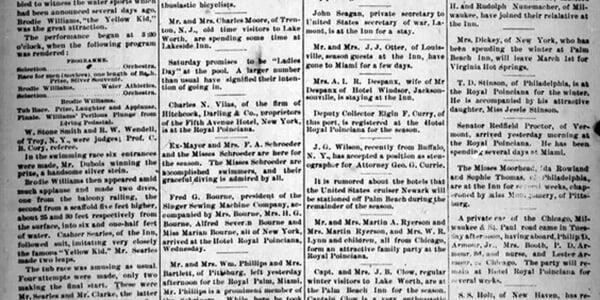
The Palm Beach Daily News (The Shiny Sheet) was founded. Known for its society coverage, real estate reporting, and polished print quality, hence the nickname.
1898
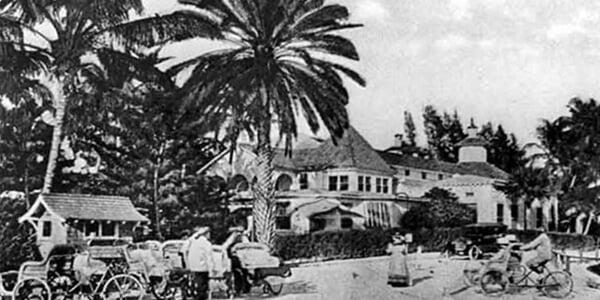
Founded by Colonel Edward R. Bradley, this social club became known for its fine cuisine, dignified atmosphere, and gambling activities.
1901
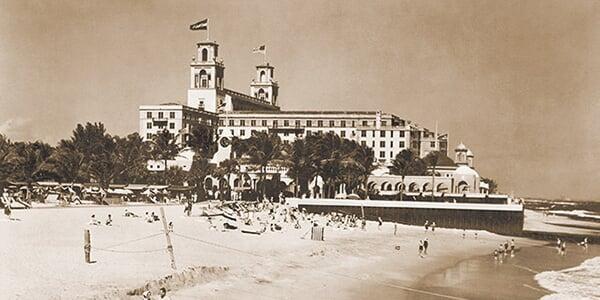
The Palm Beach Inn is officially renamed The Breakers due to guests calling it "where the breakers crash."
1902
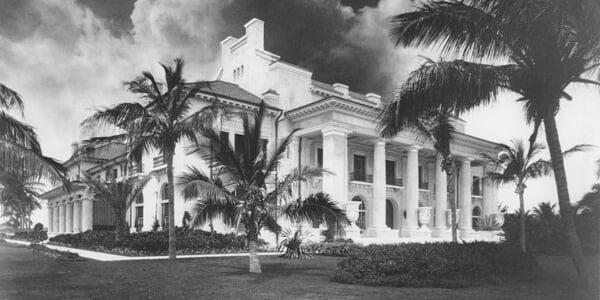
Whitehall, Flagler's mansion, now the Flagler Museum, is completed.
1903
The Unnamed Hurricane crosses near Palm Beach with damaging winds and storm surge.
1903
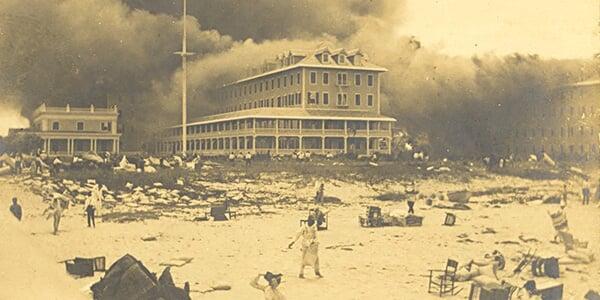
The Breakers is rebuilt in wood after a major fire. It reopens grander than before to elite clientele.
1910
The Great Florida Hurricane brought widespread flooding and agricultural damage to the region.
1911
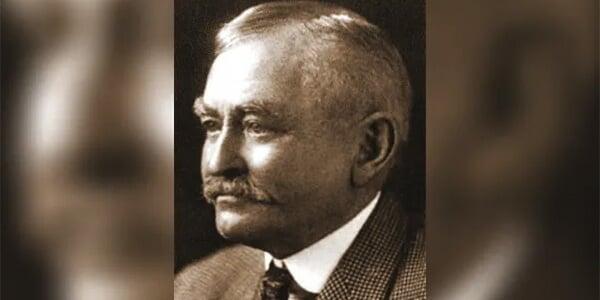
Cap Dimick is elected as the first Mayor of Palm Beach. Palm Beach incorporates as a town to prevent annexation by West Palm Beach.
1911
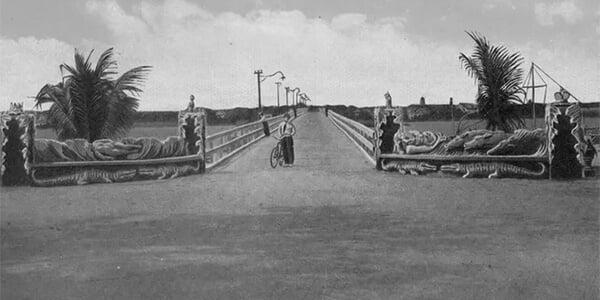
The Royal Park Bridge opens, improving access and commerce between the island and mainland.
1913
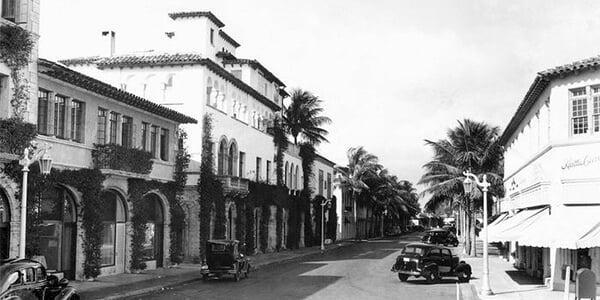
Originally a sandy path, Worth Avenue officially became a street around 1913. Named after General William Jenkins Worth, a hero of the Second Seminole War.
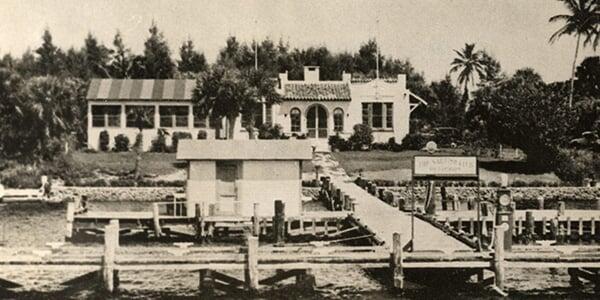
1914
The Sailfish Club of Florida is founded known for its regattas, fishing tournaments, and refined seaside atmosphere.
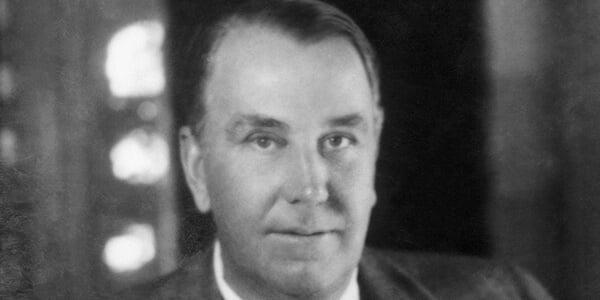
1918
Addison Mizner arrives and begins designing opulent homes for wealthy clients, introducing the Mediterranean Revival style that defines the island’s architectural identity.
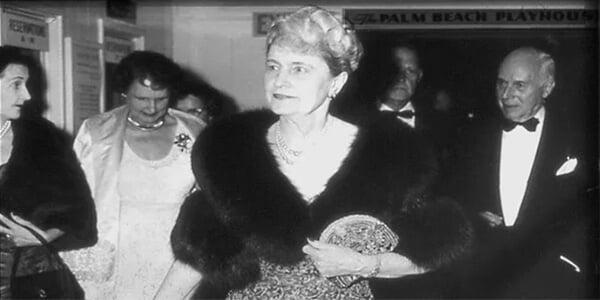
1919
Marjorie Merriweather Post begins purchasing land for her future estate, Mar-a-Lago.
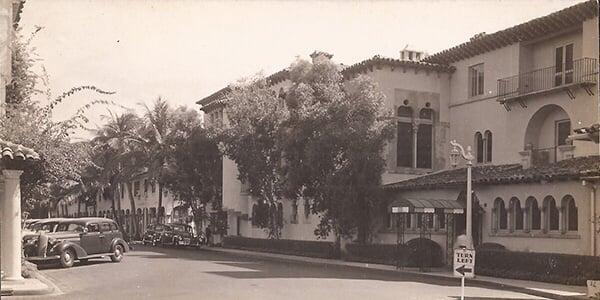
1919
The Everglades Club, a private club with elite social influence, is founded on Worth Avenue.
1919
The Florida Keys Hurricane brushes Palm Beach, causing beach erosion and some property damage.
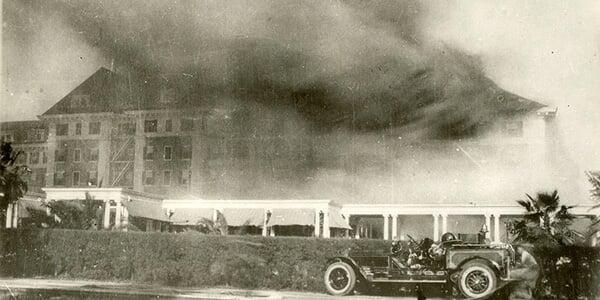
1925
The Breakers is devastated by fire in March 1925, prompting immediate reconstruction.
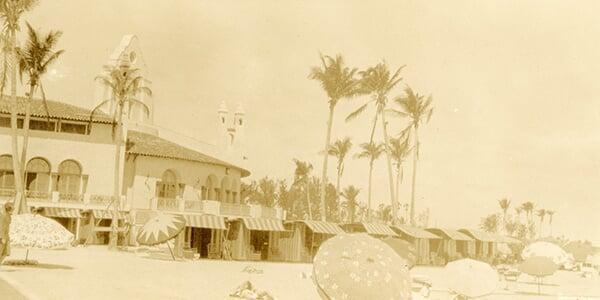
1926
The Bath & Tennis Club (B&T) is founded known for its strict membership policies and storied guest list symbolizing the upper echelon of Palm Beach society.
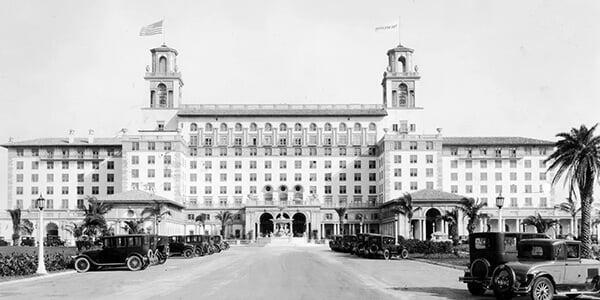
1926
The Breakers reopens in December 1926 with 550 rooms and vast ballrooms. Rebuilt in fireproof concrete and modeled after Villa Medici.
1926
The Great Miami Hurricane (Cat 4), one of the most devastating at the time, causing massive damage across South Florida, including Palm Beach.
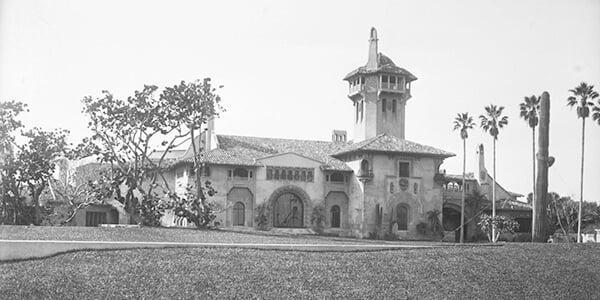
1927
Mar-a-Lago is completed by Post, intended as a retreat for presidents.
1928
The Lake Okeechobee Hurricane (San Felipe II / Cat 4) caused catastrophic flooding and thousands of deaths around Lake Okeechobee.
1929
The Garden Club of Palm Beach sponsors "The Plan of Palm Beach" to guide development. The Palm Beach Chamber of Commerce is formed.
1930
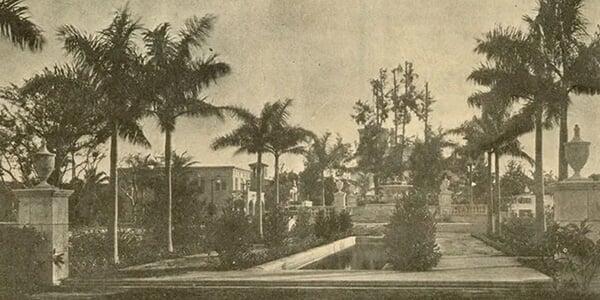
As Mizner's Memorial Fountain is completed the Great Depression begins affecting real estate and tourism.
1933
The Cuba-Bahamas Hurricane (Cat 3) impacted South Florida with tropical-force winds and minor damage .
1933
The Florida-Mexico Hurricane hits south Florida; Palm Beach experiences tropical storm-force winds and damage to coastal areas.
1935
The Labor Day Hurricane (Cat 5) was the strongest hurricane to make landfall in the US at the time, causing high winds and swells in Palm Beach.
1935
The Yankee Hurricane struck near Miami Beach in a rare late-season event.
1936
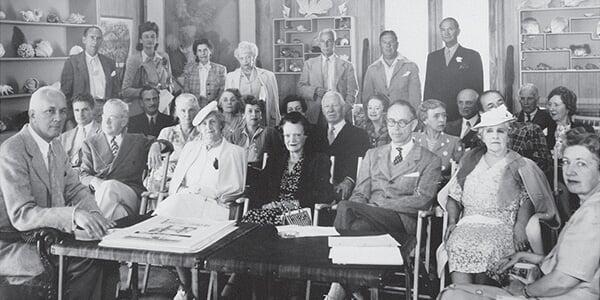
The Society of the Four Arts is founded.
1938
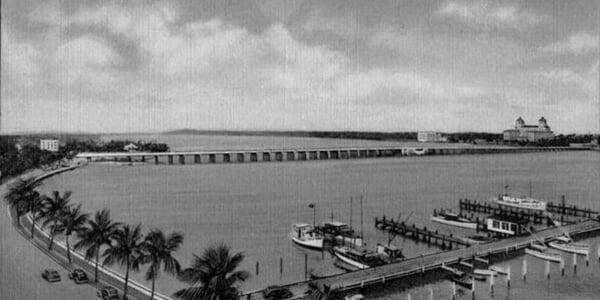
The original Flagler Memorial Bridge opens, linking West Palm Beach to the island.
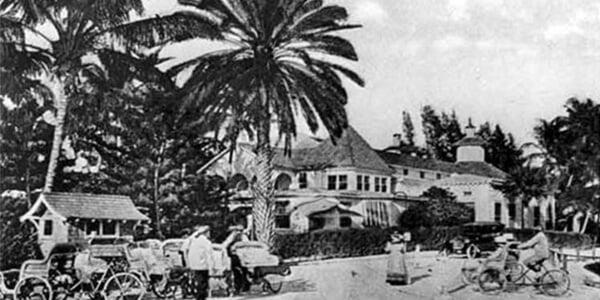
1941
The Beach Club opens, known for its private beach access, poolside dining, and low-key elegance.
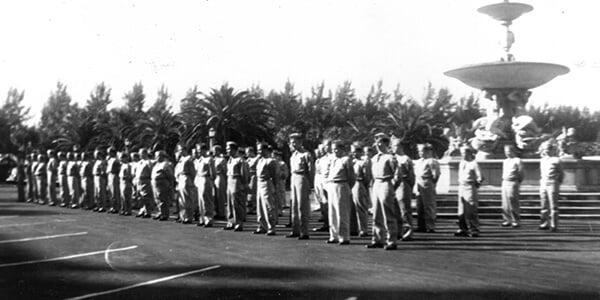
1942
The Breakers is used by the US Army as a temporary military hospital during World War II.
1944
The Palm Beach Civic Association is founded to preserve the town’s character and advocate for residents’ interests.
1947
The Fort Lauderdale Hurricane (Cat 4) brought flooding and wind damage throughout Palm Beach County.
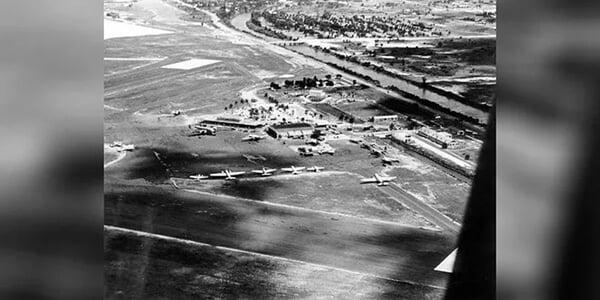
1947
Palm Beach International Airport is opened and Palm Beach's first zoning code is passed.
1949
The Unnamed Hurricane (Cat 4) strikes Palm Beach directly, causing severe wind damage and flooding.
1950
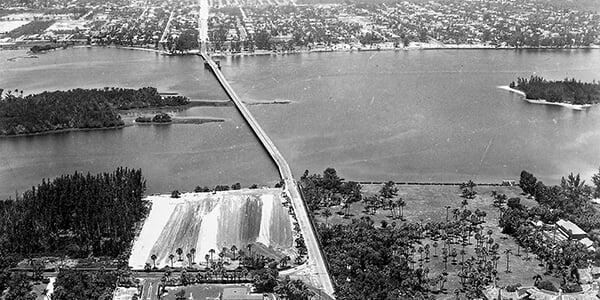
The Southern Boulevard Bridge opens, enhancing southern access to Palm Beach Island.
1950
Hurricane Easy is one of the first storms to receive an official name under the new phonetic alphabet system. It brought rain and breezy conditions to Palm Beach .
1950
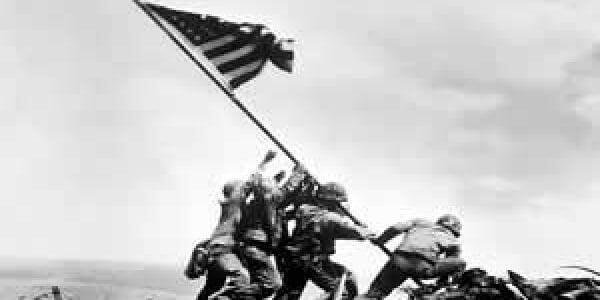
Post-war prosperity returns; seasonal population and luxury construction surge again.
1954
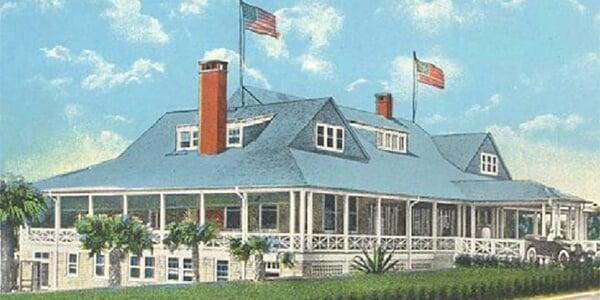
The Palm Beach Country Club is founded by a group of Jewish residents when many local clubs were exclusionary. It has since become one of the island’s most discreet private clubs.
1958
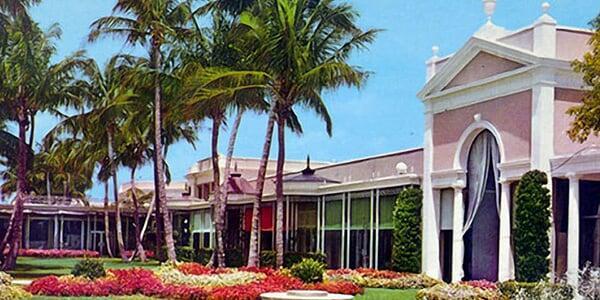
The Royal Poinciana Plaza, designed by John Volk, opens.
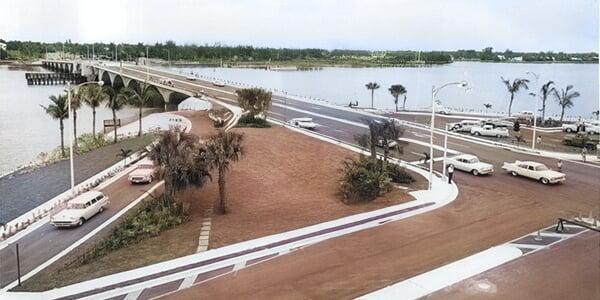
1959
The Royal Park Bridge is replaced adding two lanes along the south side of the bridge and two drawbridges, at a cost of around $1.5 million.
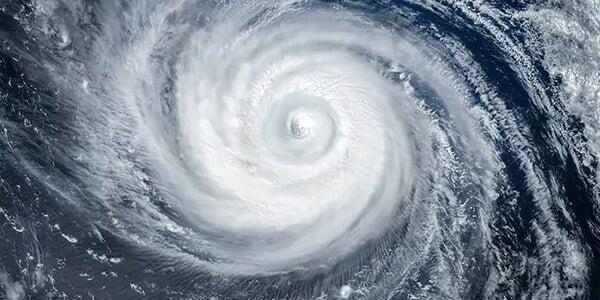
1960
Hurricane Donna (Cat 4) sweeps across Florida, delivering destructive winds and widespread damage throughout Palm Beach County.
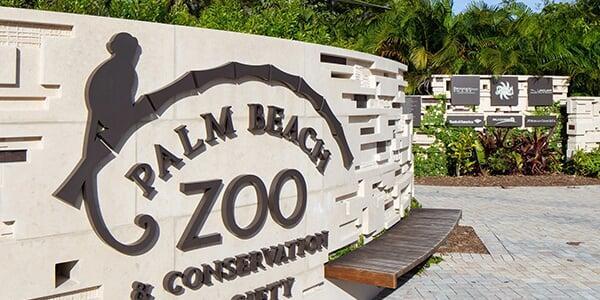
1970
The opening of the Palm Beach Zoo.
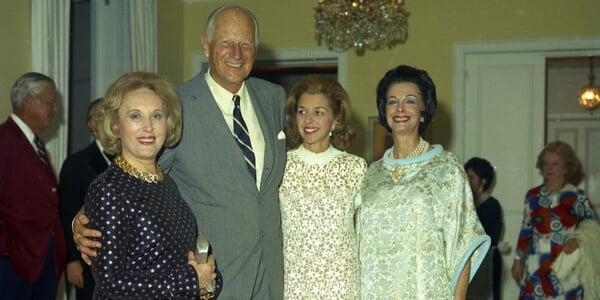
1971
Earl E.T. Smith, the last US Ambassador to Cuba, is elected Mayor of Palm Beach.
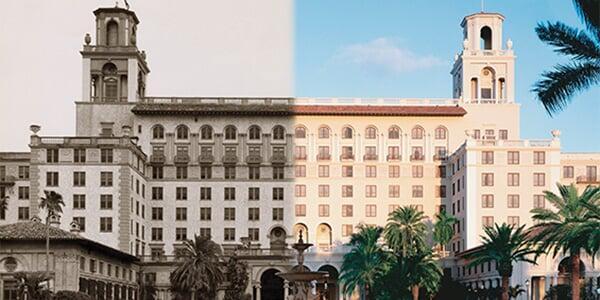
1973
The Breakers is officially listed on the National Register of Historic Places and recognized for its historic and architectural significance.
1975
Hurricane Eloise (Cat 3) made landfall in the Panhandle and brought heavy rain and coastal erosion to Palm Beach County.
1978
The Preservation Foundation of Palm Beach is established to protect the island’s historic architecture, landscapes, and cultural heritage.
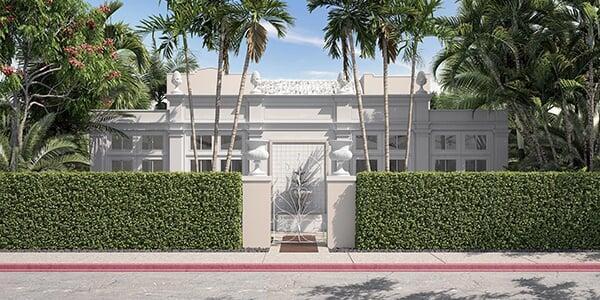
1982
Club Colette opens, offering an exclusive, supper-club style dining experience in the heart of Palm Beach. Known for its elegant, old-world ambiance and discretion.
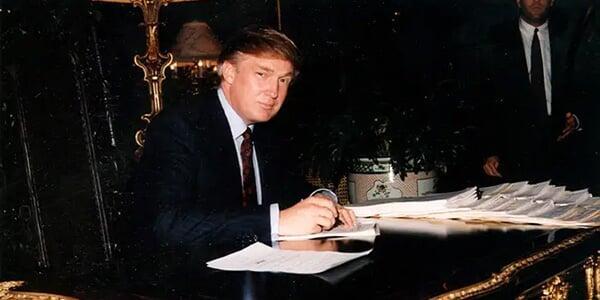
1985
Donald Trump purchases Mar-a-Lago from Post Foundation and begins renovation.
1986
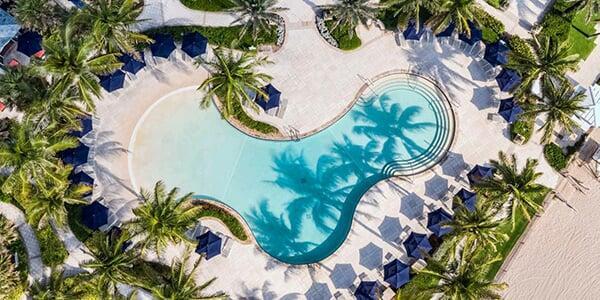
The Breakers Ocean Club is established, offering exclusive beach, golf, and social memberships as part of The Breakers resort.
1990
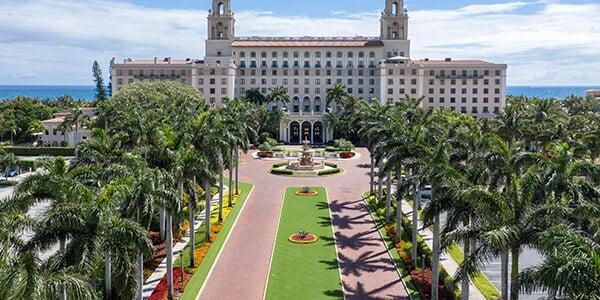
The Breakers begins over $250 million in renovations to maintain its status as a top luxury resort.
1992
Hurricane Andrew (Cat 5) devastated Miami. It brought strong winds, power outages, and minor structural damage to parts of Palm Beach County.
1992
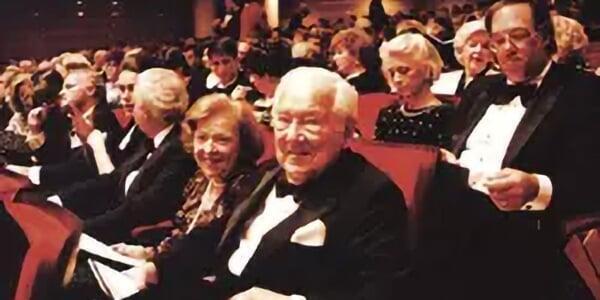
The opening of the Kravis Center for the Performing Arts.
1995
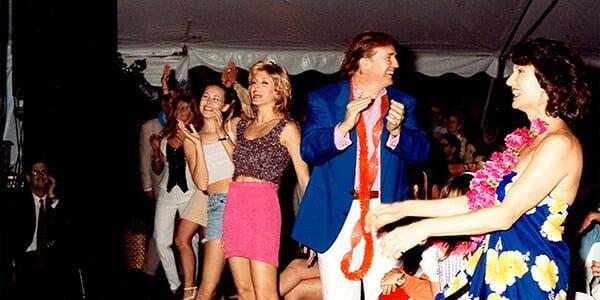
Mar-a-Lago becomes a private club, changing the social scene and drawing national attention.
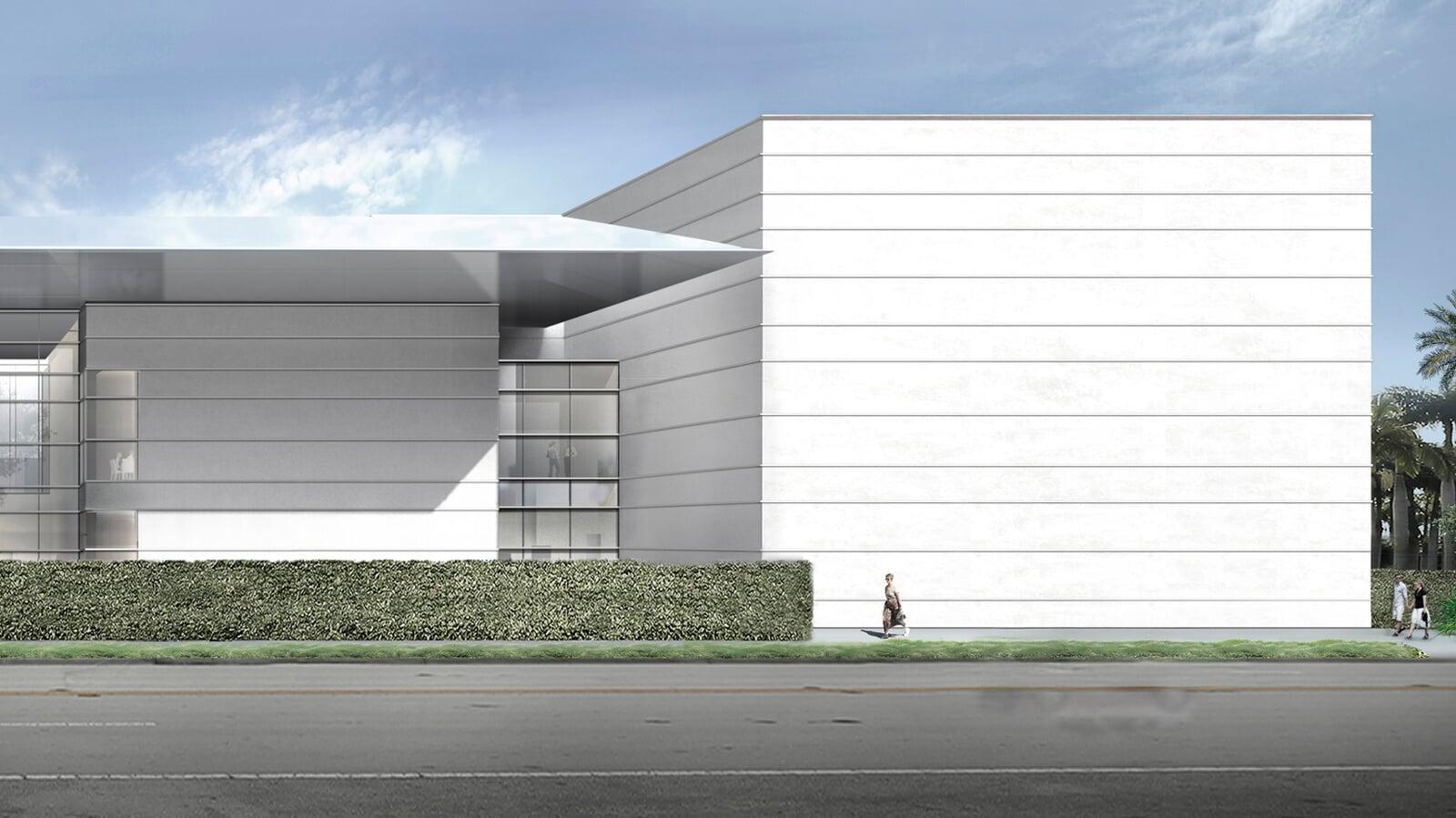
2000
The opening of the Norton Museum of Art.
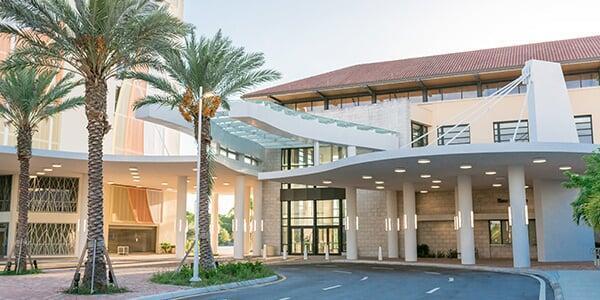
2003
The Palm Beach County Convention Center opens in downtown West Palm Beach, becoming a major venue for events and cultural activities.
2004
Hurricane Frances (Cat 2) made landfall near Martin County, bringing prolonged winds, flooding, and widespread power outages throughout Palm Beach County.
2004
Hurricane Jeanne (Cat 3) struck just weeks after Frances, following a similar path, compounding wind damage, flooding, and power loss across Palm Beach County.
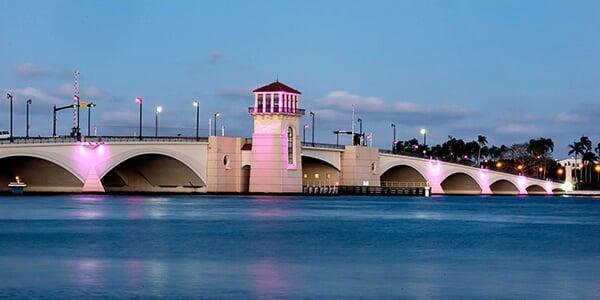
2005
The new Royal Park Bridge opens, featuring a state-of-the-art bascule design, wider pedestrian walkways, and improved traffic flow.
2005
Hurricane Wilma (Cat 3) swept South Florida, knocking out power, damaging roofs and trees, and causing major disruptions throughout Palm Beach County.
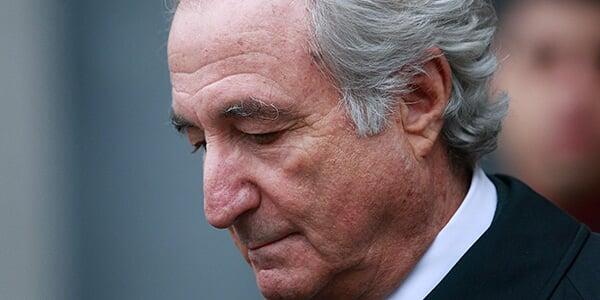
2008
Bernie Madoff scandal hits. Many Palm Beach residents, including club members and elite families, are financially devastated.
2011
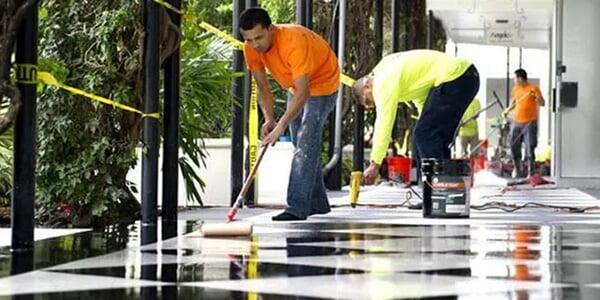
The Royal Poinciana Plaza begins major revitalization under WS Development, blending historic architecture with modern luxury retail and dining.
2012
Hurricane Isaac's (Tropical Storm) outer bands brought over 15 inches of rain to Palm Beach County, causing significant flooding and road closures.

2016
Trump is elected the 45th President of the United States, using Mar-a-Lago as a "Winter White House."
2016
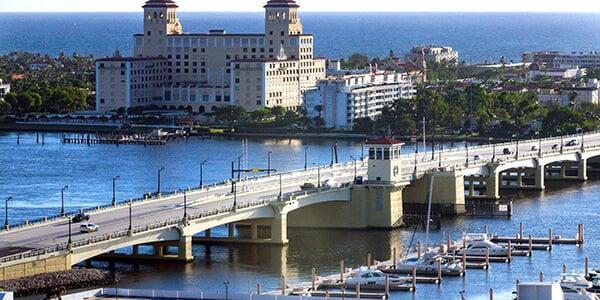
A new Flagler Memorial Bridge opens with four-lanes, wider sidewalks, bicycle lanes, and improved utility infrastructure, costing approximately $108 million.
2017
Hurricane Irma (Cat 4) brought strong winds, power outages, and widespread debris to Palm Beach County.
2019
Hurricane Dorian (Cat 5) stayed offshore but brought high surf, evacuations, and anxiety to Palm Beach County while devastating the nearby Bahamas.
2020
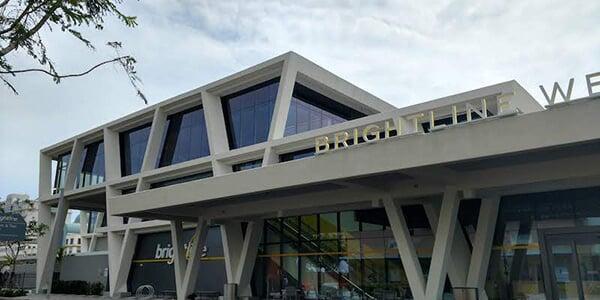
The opening of the Brightline high-speed rail station.
2021
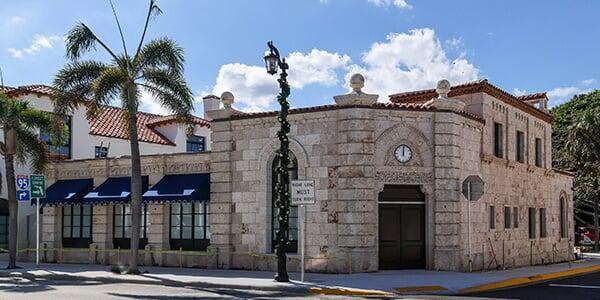
The Carriage House opens, a modern private club designed for a new generation of Palm Beach society, it blends contemporary luxury with traditional exclusivity .
2021
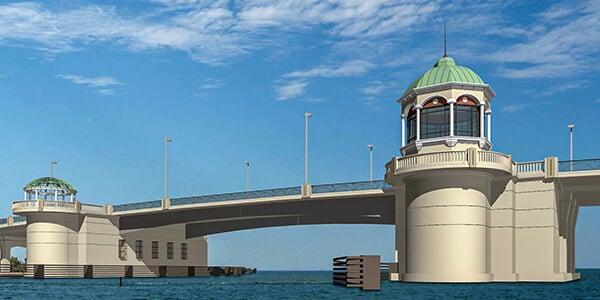
A new Southern Boulevard Bridge opens with higher clearance, wider sidewalks, and improved safety features, costing approximately $97 million.
2024
Hurricane Milton (Cat 5) made landfall on the Gulf Coast. Milton’s outer bands brought tornadoes, rain, and wind gusts to parts of Palm Beach County.

2024
Trump is elected President of the United States for a second non-consecutive term while maintaining his residence at Mar-a-Lago.
2025
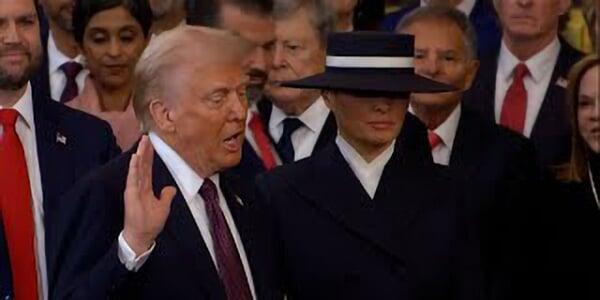
Trump is sworn in as the 47th President of the US.